
Why Choose Catholic-Integrated Counseling? A Deeper Look at the Who, How, and Why
For those new to therapy, it's easy to overlook that every licensed clinician must master a specific toolkit of evidence-based methods to practice ethically and effectively. You've likely heard of cognitive behavioral therapy (CBT) or "talk therapy," but these are broad umbrellas covering diverse techniques and approaches that therapists draw from in their work.
Even more, many don't realize that while these modalities are scientifically supported to varying degrees, they often rest on underlying philosophies or worldviews. The ethical ideal of "non-bias" is emphasized to avoid imposing personal beliefs on clients, yet the methods themselves are built on foundational assumptions. For instance, many popular techniques incorporate elements rooted in Eastern religious practices, such as certain forms of meditation.
This is why we're so grateful to live in an era where openly Catholic clinicians integrate the richness of our faith into their practice. When therapy is intentionally grounded in Catholic philosophy and theology—our understanding of the human person and our universal call to holiness—clients gain profound, specific benefits that secular approaches simply can't replicate.
Every therapeutic modality addresses three core questions: the who (understanding the client and their concerns), the how (the methods for healing and growth), and the why (the deeper meaning and purpose behind the struggle and recovery). In standard practice, "the who" emerges through assessment, often identifying diagnosable mental health conditions contributing to the client's distress. "The how" involves applying trained treatment strategies to address those issues. "The why" has two layers: explaining the origins of the problem and helping clients find meaning, integrating both the struggle and its resolution into their lives—since no treatment is a magic cure, but rather a path to symptom management and flourishing.
Through a Catholic lens, this framework becomes powerfully client-empowering and transformative.
1. The Who: Seeing the Person as God Sees Them Catholic revelation affirms God's personal, infinite love for each individual as His beloved child, with a desire for eternal union in heaven. This truth is never static; the Church has cultivated a profound tradition of self-knowledge as an essential dynamic in our relationship with God. Philosophically, we understand the human person as a body-soul composite—endowed with unique powers no other creature possesses. We are intimately connected to both the spiritual and material dimensions of reality.
At the heart of this is free will: the capacity to choose how we live, with real consequences for body and soul. Entering counseling with this awareness shifts how we view mental health. Our struggles are not deterministic traps; change becomes possible and within reach because we are made for freedom and growth in Christ.
2. The How: Building on True Freedom This foundation of freedom shapes the therapeutic process. St. Thomas Aquinas defines true freedom as "the disciplining of our desires to make the achievement of the good at first possible and then effortless." In modern therapeutic language, we might say: exploring and training our needs, wants, thoughts, feelings, and actions until the good becomes clear, attainable, and habituated as our natural response in daily life and relationships.
What a solid bedrock for lasting change! Catholic-integrated therapy aligns psychological tools with this vision of virtue formation, making growth not just symptom relief but genuine human flourishing.
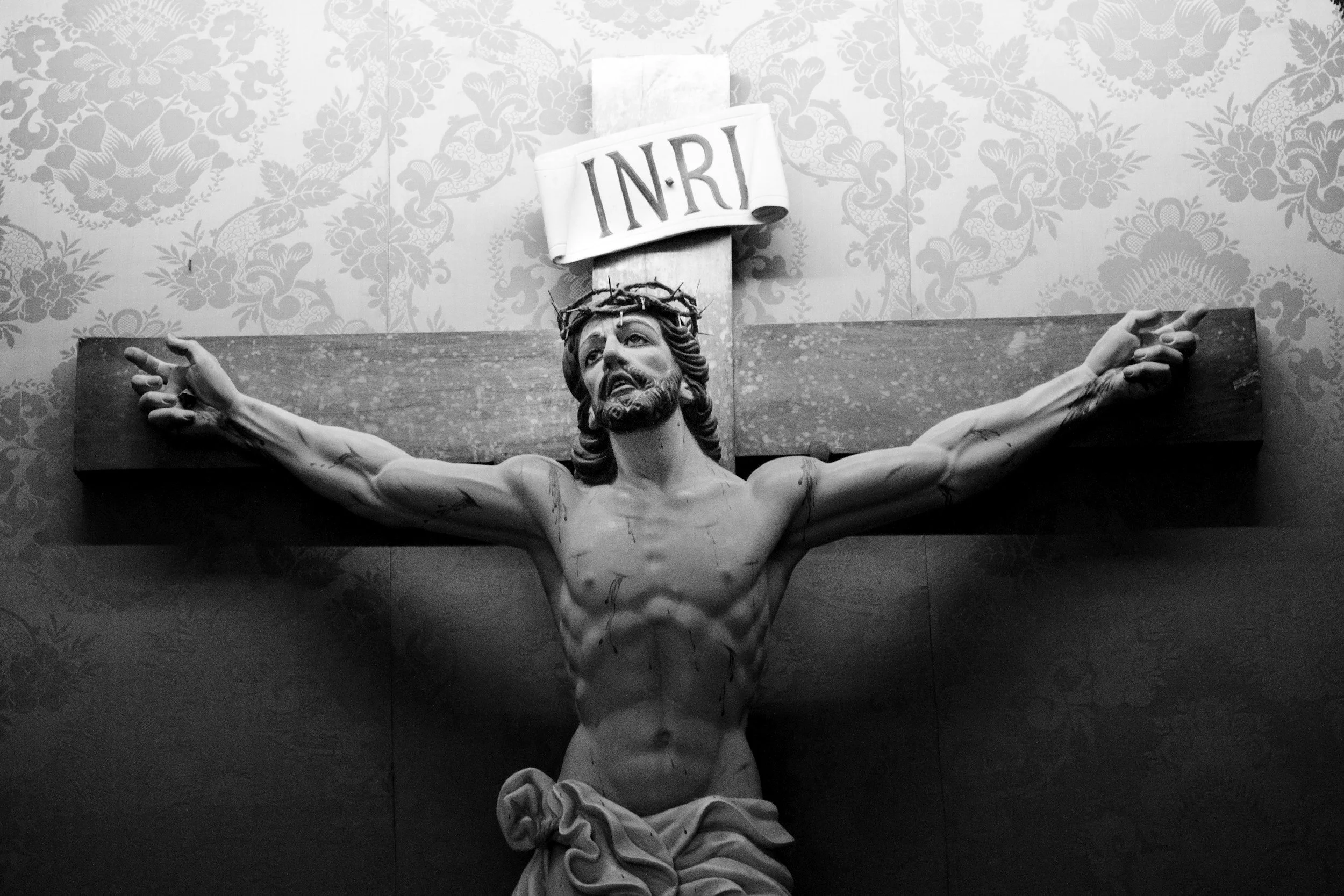
3. The Why: Redeeming Suffering in Christ Beneath every journey of pain lies purpose: salvation. In the Catholic worldview, no suffering is meaningless or wasted—it all serves a redemptive end. Therapy doesn't dismiss or avoid suffering; instead, faith provides an unbreakable framework. As St. Paul teaches, we cooperate in Christ's saving work on the cross through our own trials—spiritual, emotional, or physical.
This perspective enhances the therapeutic process immensely. It cultivates virtues (good habits for daily living and relating) while offering real hope for relief. Redemption is essential; symptom management is a blessing, but participating in Christ's redemptive suffering as members of His Body gives ultimate meaning and resilience.
When considering counseling, consider the profound advantages of working with a Catholic clinician. The worldview truly matters. Transformation rooted in the transcendentals of Truth, Goodness, and Beauty ensures the who, how, and why are aligned with who we truly are as persons made in God's image. At Archangel Catholic Counseling, we are committed to walking with you in this integrated way—honoring both sound clinical practice and the fullness of our Catholic faith.
If you're ready to explore how faith-integrated therapy can support your healing and growth, reach out today. You're not alone on this journey.