
SPECIALITY
Scrupulosity & OCD Therapy
Catholic-integrated care for the obsessive doubt, mental checking, and compulsive confession patterns that have made the spiritual life unrecognizable — for Catholics across Washington and Idaho via telehealth.
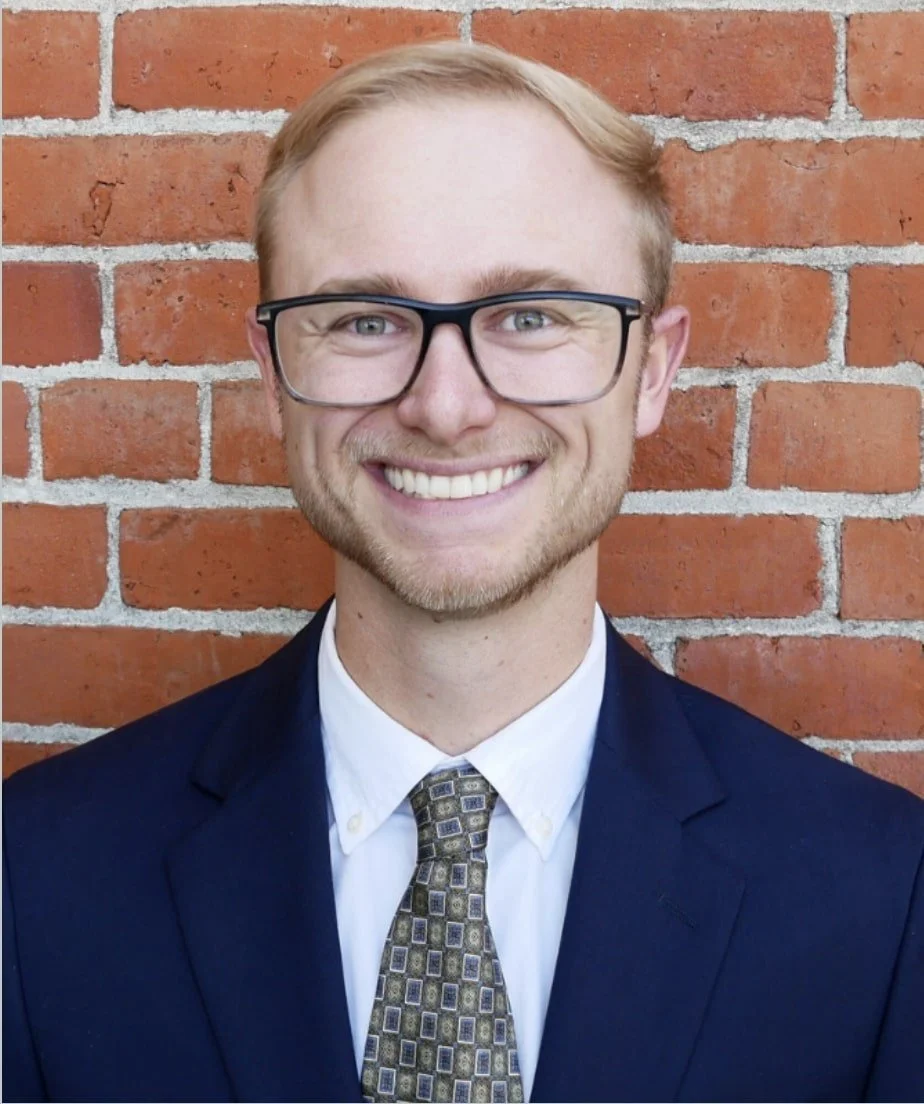
Meet Jacob
Jacob Frazier, LMHC, provides Catholic-integrated treatment for OCD and scrupulosity using Exposure and Response Prevention (ERP). His approach helps clients reduce compulsions, tolerate uncertainty, and respond differently to intrusive thoughts while respecting the Catholic faith and a well-formed conscience. Treatment is designed to help clients grow in freedom, trust, and confidence rather than remain trapped in repetitive doubt and fear.
There is hope beyond scrupulosity.
The pattern is well-understood and the work is effective. The first step is a free 15-minute consultation to see whether this is the right fit.
What is Scrupulosity?
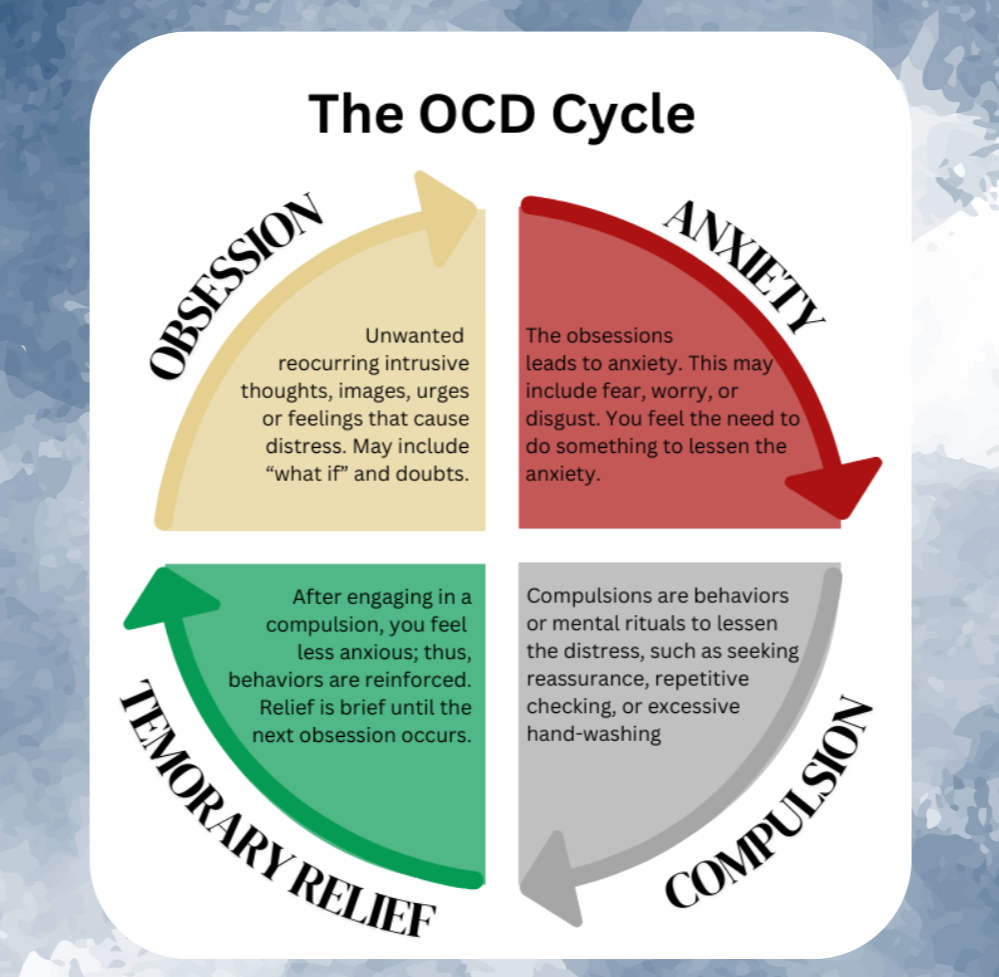
Scrupulosity is a form of OCD that centers on moral or religious fears. A person experiencing scrupulosity may become stuck in a cycle of repeated doubt about whether they sinned, confessed correctly, had the right intention, offended God, or made the “right” moral choice followed by compulsions to alleviate the anxiety temporarily.
Scrupulosity may include:
Obsessive doubt about sin
Compulsive confession
Mental checking & reassurance seeking
Avoidance of the sacraments
Intrusive blasphemous or violent thoughts
Fear-based decision making and spiritual life
“Your God is ever beside you. Indeed, He is even within you.”
St. Alphonsus Liguori
Frequently Asked Questions
-
A form of obsessive compulsive disorder (OCD) involving religious or moral obsessions. Scrupulous individuals are overly concerned that something they thought or did might be a sin or other violation of religious or moral doctrine.
-
Common intrusive thoughts, images, or urges (aka obsessions) seen in scrupulosity include excessive concerns about:
Blasphemy
Having committed a sin
Behaving morally
Purity
Going to hell
Death
A loss of impulse control.
Along with the excessive worry about religious and moral issues, people with scrupulosity engage in mental or behavioral compulsions.
Behavioral compulsions could include:
Excessive trips to confession
Repeatedly seeking reassurance from religious leaders and loved ones
Repeated cleansing and purifying rituals
Acts of self-sacrifice
Avoiding situations (for example, religious services) in which they believe a religious or moral error would be especially likely or cause something bad to happen
Mental compulsions could include:
Mental reviewing — replaying events to determine whether something was sinful.
Checking intentions — analyzing motives, consent, or whether an action was deliberate.
Mental reassurance — repeatedly telling oneself, “I’m okay,” “That wasn’t a sin,” or “God forgives me.”
Prayer/mental neutralizing — repeating prayers or replacing “bad” thoughts with “good” ones to reduce anxiety.
Repeatedly imaging sacred images or phrases
-
A sensitive conscience is a virtue and a sign of spiritual maturity. It recognizes wrongdoing, responds appropriately through reflection, confession, or correction, and is then able to move forward.
Scrupulosity, by contrast, is excessive sensitivity which involves intrusive and repetitive doubt, urgency, reassurance seeking, mental reviewing, and difficulty accepting resolution even after confession or reasonable reflection. Most people with scrupulosity have been told it was just their conscience for years, which is part of why treatment is delayed.
-
No. Accepting uncertainty is not moral indifference. You can care deeply about living virtuously without needing perfect certainty about every thought, motive, or action.
ERP helps reduce OCD’s control while preserving a well-formed conscience.
The goal is a freer moral life—not a less faithful one.
-
Exposure Response Prevention is considered the gold standard of OCD treatment. For scrupulosity, this means gradually tolerating the uncertainty the obsessive mind cannot stand — without repeated confession, mental checking, or reassurance-seeking. The exposures are planned together, paced for tolerability. Thus, ERP treats fear, doubt, and uncertainty without asking you to compromise your faith or commit sin.
The goal is not to weaken your conscience, but to help you trust God more and OCD less.
-
Yes. Archangel Catholic Counseling is a Catholic-integrated practice; treatment for scrupulosity is offered by someone fluent in the moral categories, the sacraments, and the spiritual life. Faith is respected as part of the healing process rather than treated as a problem.
-
Yes. Scrupulosity responds to the same evidence-based treatments used for other forms of OCD. Exposure and Response Prevention (ERP), a form of CBT, is the primary psychological treatment. When appropriate, care may also include medication management, such as SSRIs, and collaboration with a trusted priest or spiritual director.
Improvement usually means that intrusive thoughts become less powerful, compulsions decrease, and you gain greater freedom to live according to your faith and values.
Scrupulosity is treatable.
A free 15-minute consultation is an easy place to start. There is no obligation to continue, and we can determine the right fit.